About the project
Stolen Toys (Juguetes Robados) is a personal documentary photography project by Pablo Valle about child labour in Latin America. It began in 2002 and gathers portraits and stories of working children in Argentina, Bolivia, Colombia, Ecuador and Peru: shepherds, shoeshine boys, street vendors, traffic-light jugglers, miners in Potosí's Cerro Rico and families displaced by violence.
The project grew as it travelled: the photographs were shown in different places, where new information and images were gathered to enrich the exhibition. They were exhibited in museums, universities, legislatures and on the street, in cities of Argentina, Colombia, Ecuador, Peru and Spain.
Each photograph carries the name and the story told by the child. Click on an image to see it full size with its caption.
The essay · 29 photographs
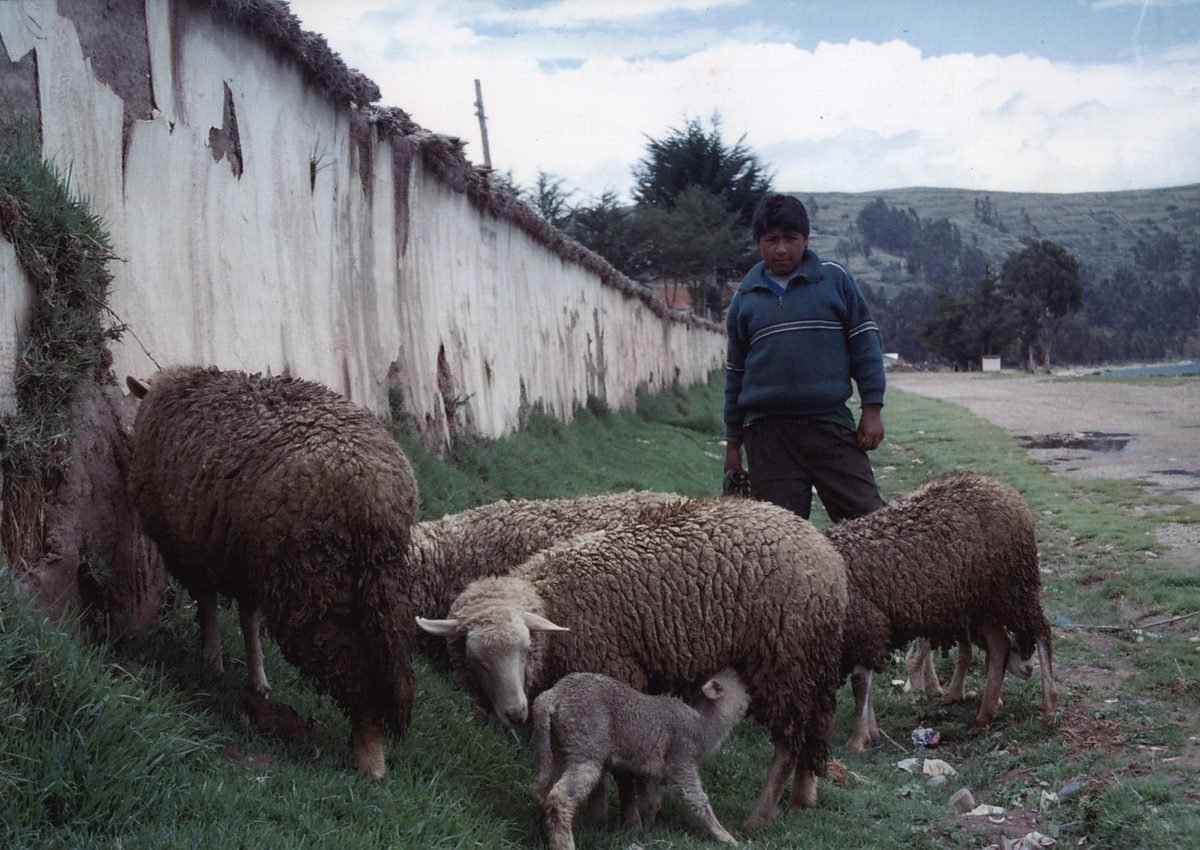 Alberto, shepherd · Lake Titicaca - Bolivia
Every day, before and after school, Alberto goes out with his animals. He says his sheep are the prettiest in town, but once, when a circus arrived, he saw some that were taller and prettier. “Those were camel sheep”.
Chaque jour, avant et après l'école, Alberto promène ses animaux. Il dit que ses moutons sont les plus beaux du village.
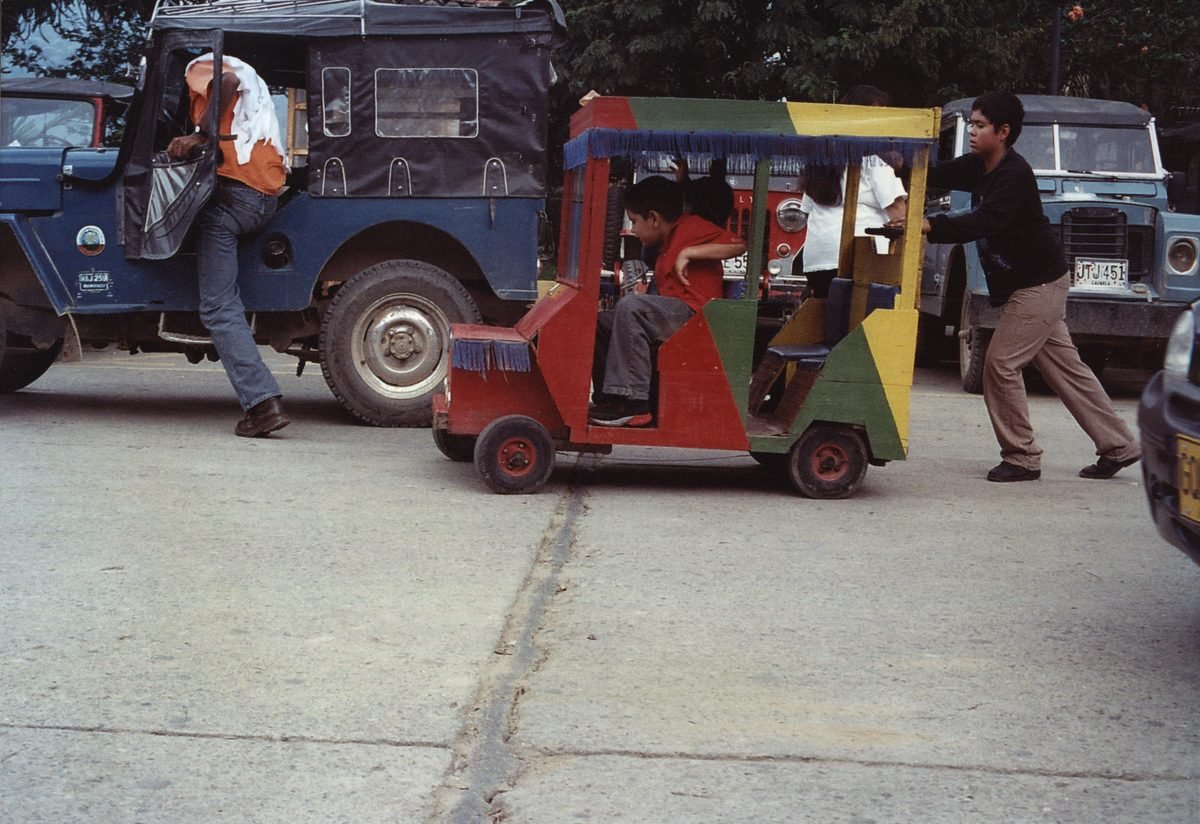 Kid chauffeur · Salento - Colombia
For a few coins, he gives kids a ride around the park. He doesn't understand why kids enjoy getting in his little car. He prefers traveling in a real “Willy”.
Pour quelques pièces il promène des enfants autour de la place de la ville. Il ne comprend pas pourquoi les enfants aiment monter sur son chariot. Il aimerait se promener dans un vrai « Willy ».
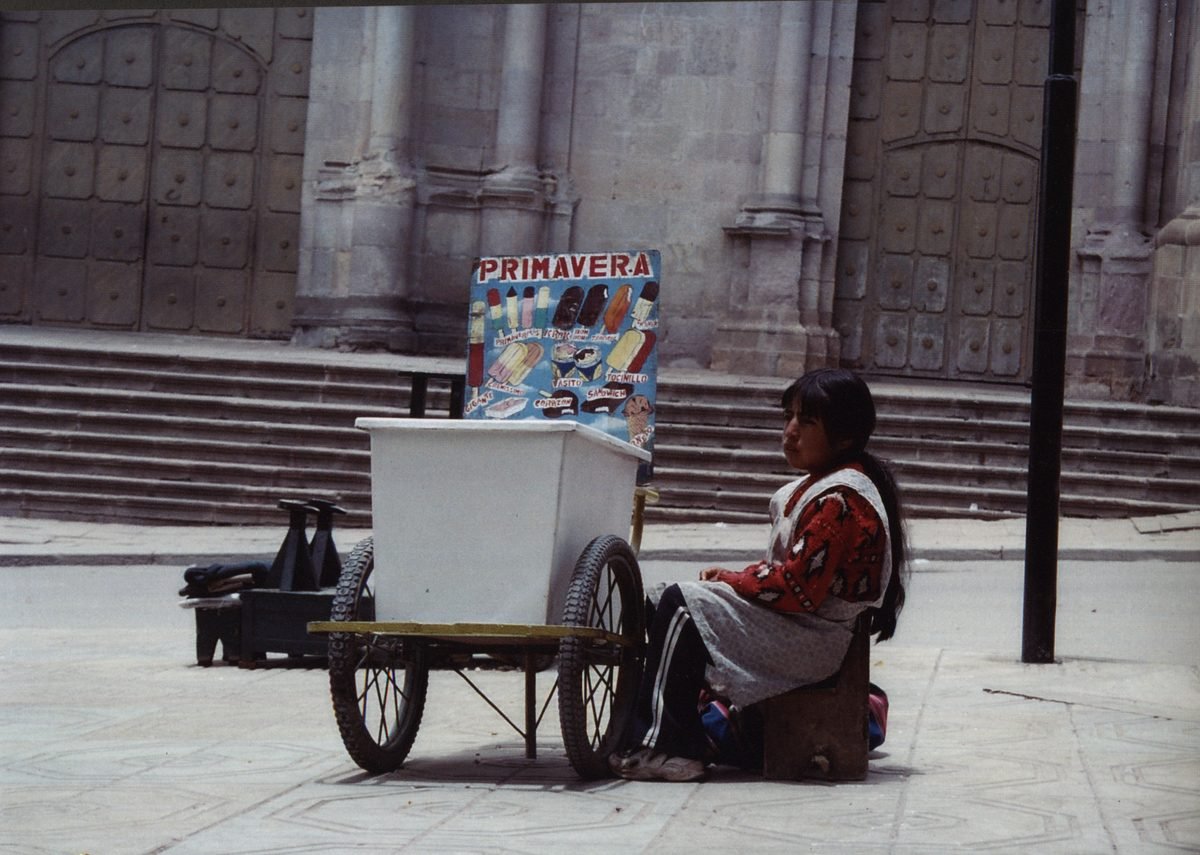 Carmen, ice cream vendor · Potosí - Bolivia
Carmen sells ice cream in front of the Cathedral and goes to school in the afternoons. She often misses school because she did not sell enough that day. On a good day, she can earn up to two dollars; although those days are few and far between.
Carmen vend des sorbets en face de la cathédrale et elle va à l'école l'après-midi. Parfois elle n'y arrive pas car elle n'a pas encore assez vendu. Les jours où les ventes sont bonnes, elle peut gagner quelques dollars, mais ces jours-là sont rares.
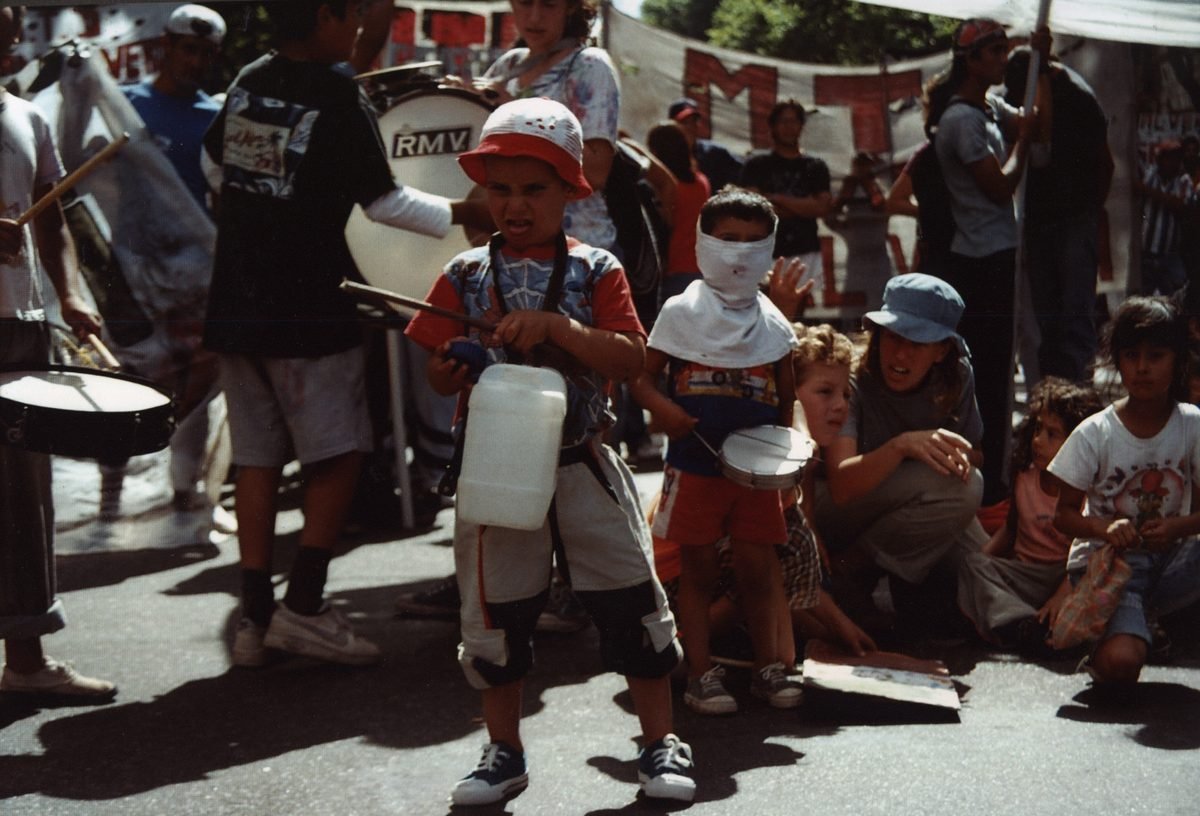 Little “piquetero”, son of an unemployed worker · Buenos Aires - Argentina
He likes going along with his father to demonstrations. This way, he goes out and meets other children. At his age, he already knows what it is to ask for bread and work.
Il aime accompagner son père à la manif. De cette façon il se promène et connaît d'autres enfants. À son âge il sait déjà ce que c'est que demander du pain et du travail.
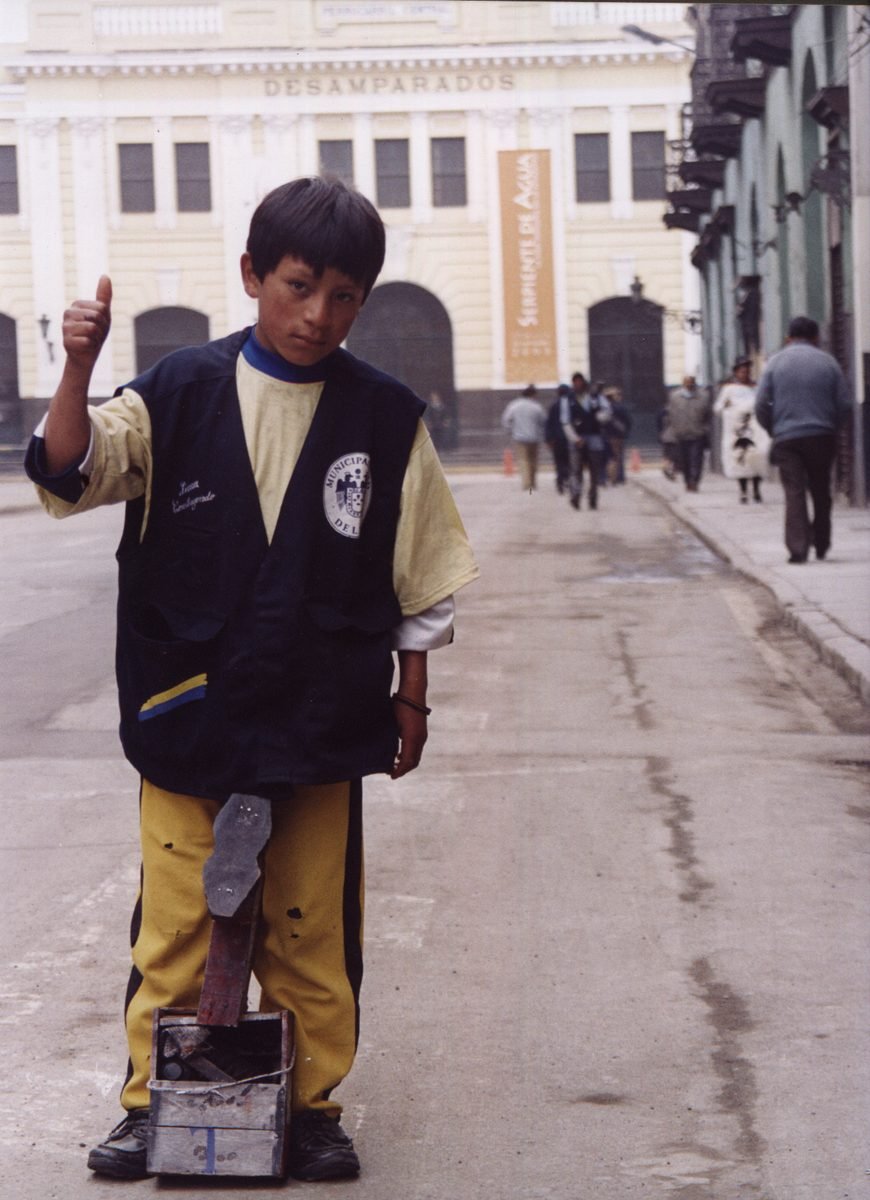 David, shoeshine boy · Lima - Peru
David divides his days between work and school. Sometimes he doesn't go to school because he is tired.
Ses jours passent entre le travail et l'étude. Parfois il ne va pas à l'école car il est fatigué.
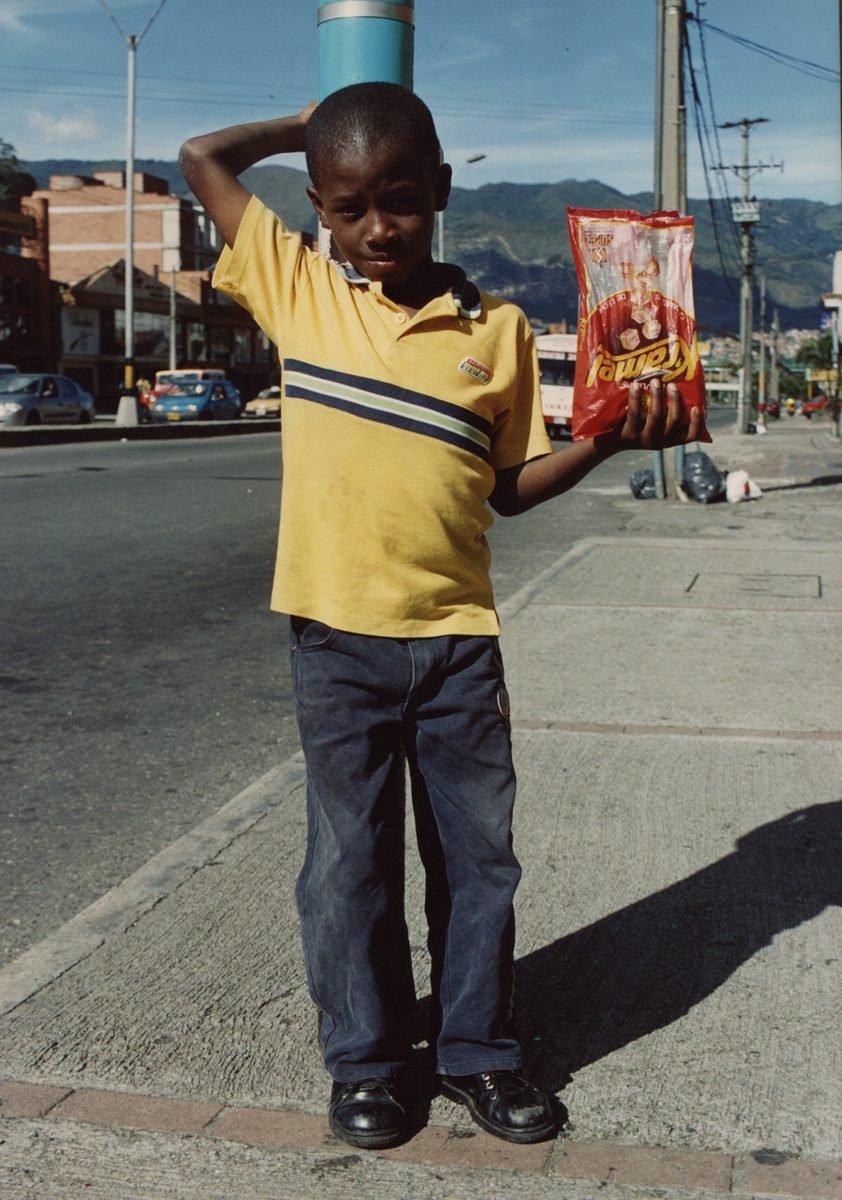 Norbey, displaced by violence · Medellín - Colombia
Norbey's family left their hometown, Mutatá, to escape the violence. Norbey sells candy on the streets of the city. He says he doesn't know what he wants to be when he grows up, but he will never be a soldier or a guerrilla fighter. “They kill you for nothing”.
La famille de Norbey a quitté son village (Mutatá) pour fuir la violence. Norbey vend des bonbons dans les rues de la ville. Il dit qu'il ne sait pas ce qu'il voudrait être quand il sera grand, mais il ne sera jamais soldat ni guérillero : « ils tuent pour rien ».
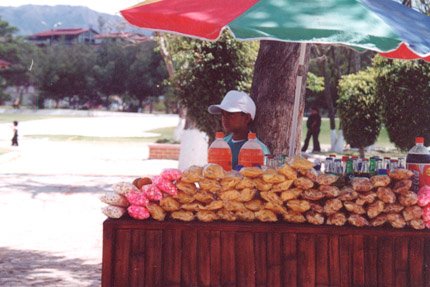 Young vendor · Loja - Ecuador
Besides going to school, he helps his mother at her stall in a city park. Many of his customers are other children who come to the park to play.
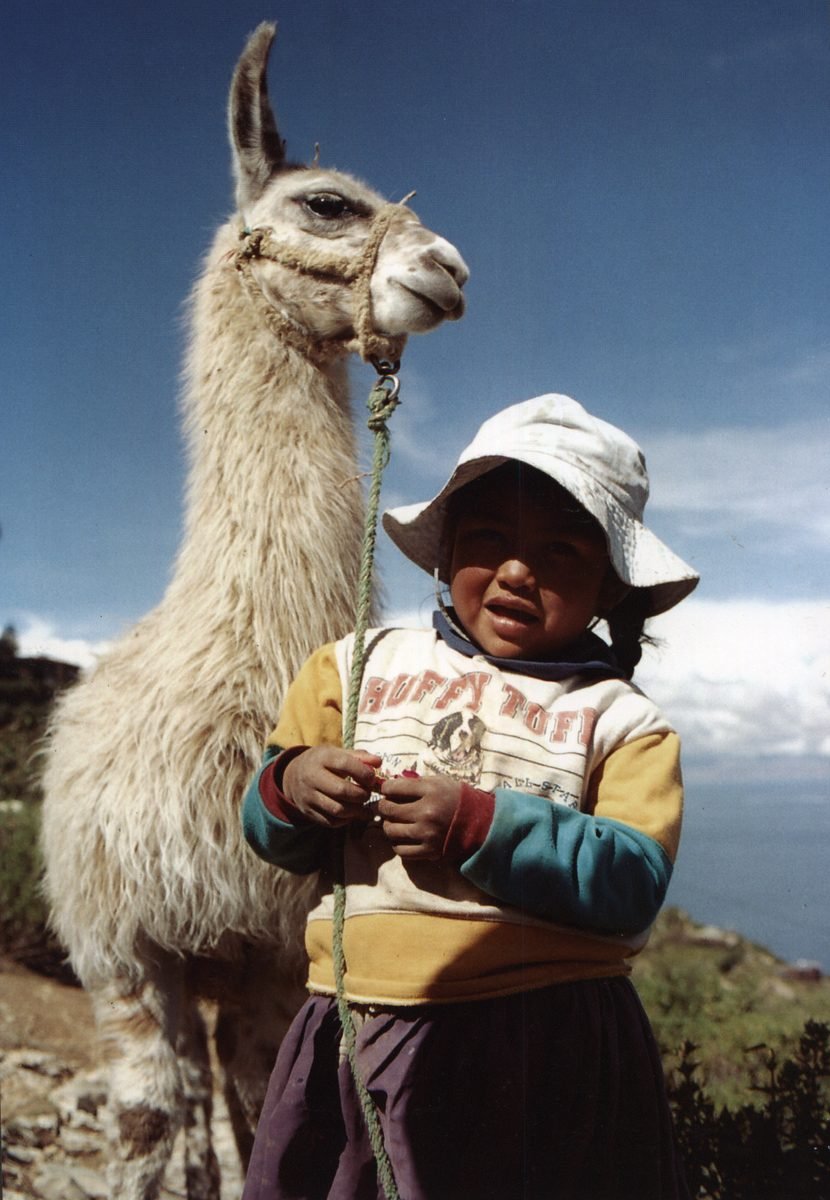 Sonia, farm girl · Isla del Sol - Bolivia
In the morning, she helps her parents look after the animals. In the afternoon, she waits for the tourist boat to ask for coins. One day, a tourist gave her “a little green bill worth a lot”.
Le matin, elle s'occupe des animaux. L'après-midi, elle attend le bateau des touristes pour leur demander des pièces. « Un jour, un touriste m'a donné un billet vert qui vaut beaucoup d'argent ».
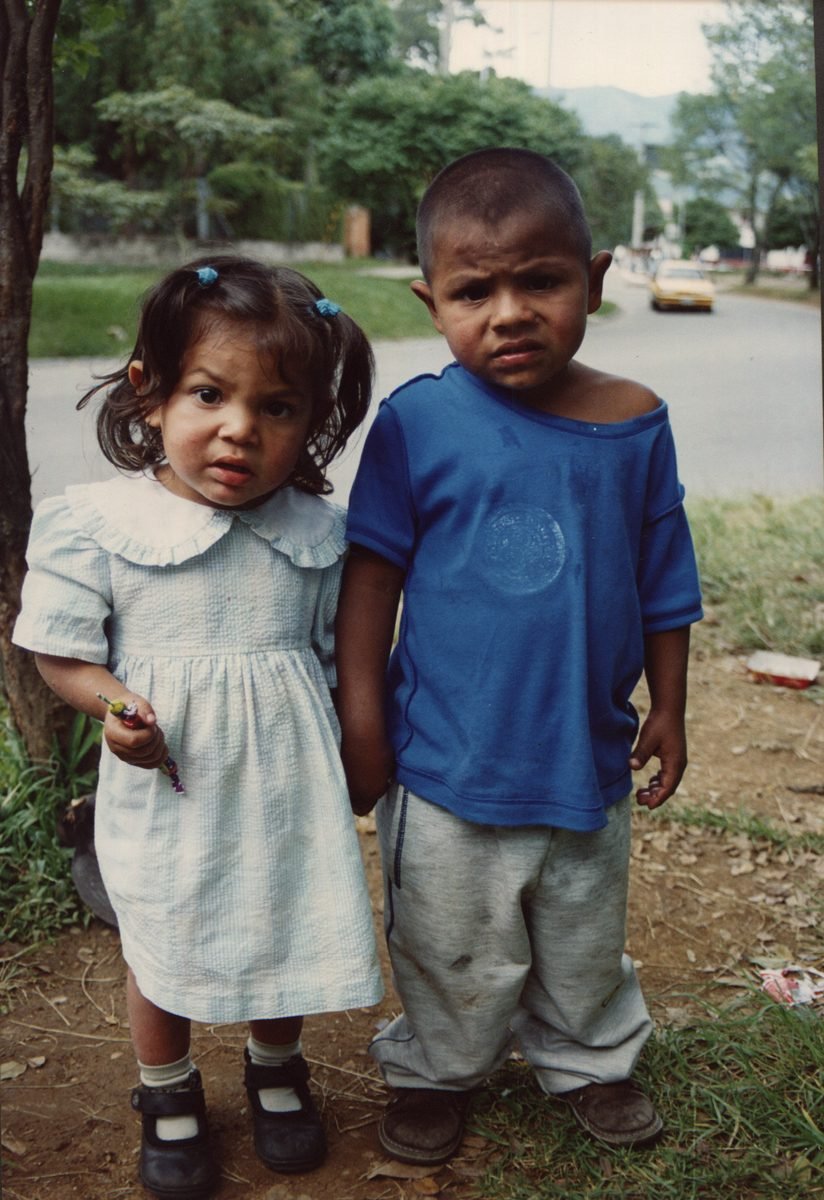 Andrés and Luz Juliana, displaced by violence · Medellín - Colombia
Their father was killed in the banana plantations of Urabá when Andrés was two and Luz Juliana two months old. Since then, together with their mother and four siblings, they have found in the street the only way to live.
Leur père a été tué dans les bananeraies d'Urabá. Andrés avait deux ans et Luz Juliana deux mois. Depuis ce jour, avec leur mère et leurs quatre frères, ils trouvent dans la rue l'unique façon de vivre.
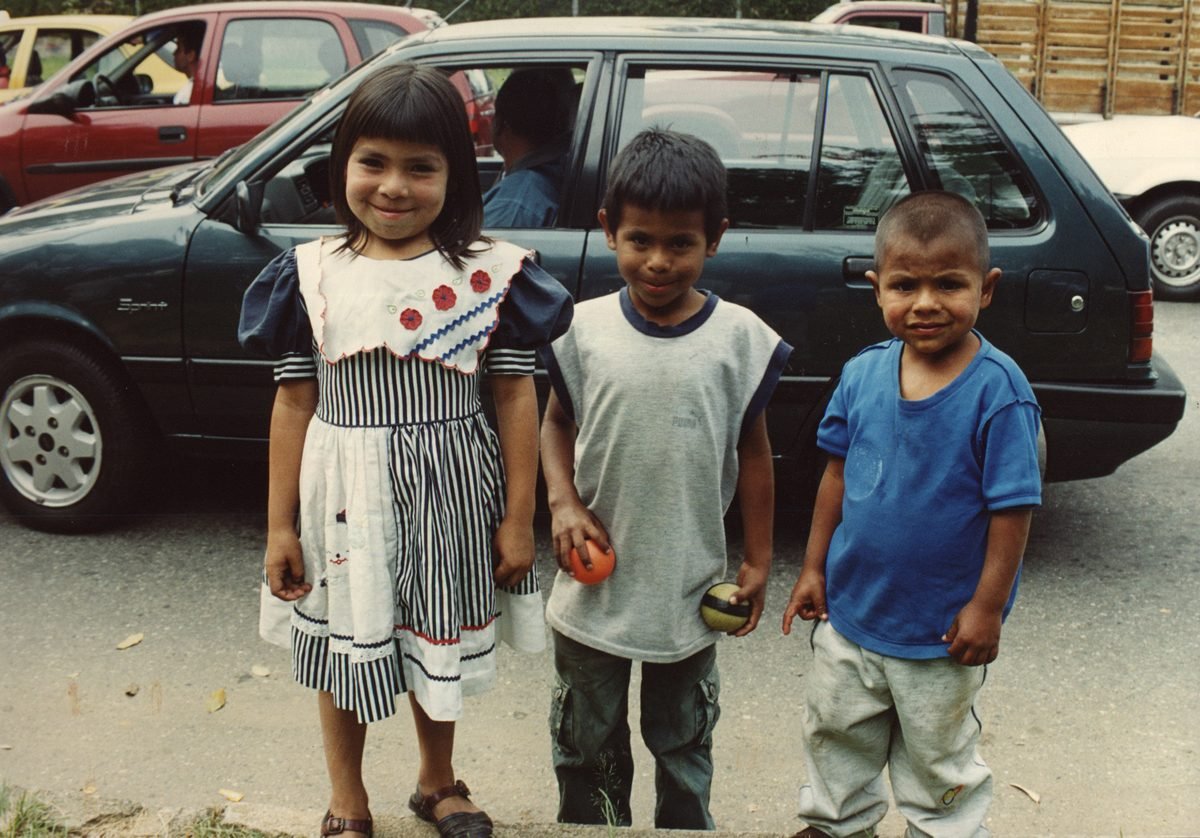 Ana Cristina and her brothers, displaced by violence · Medellín - Colombia
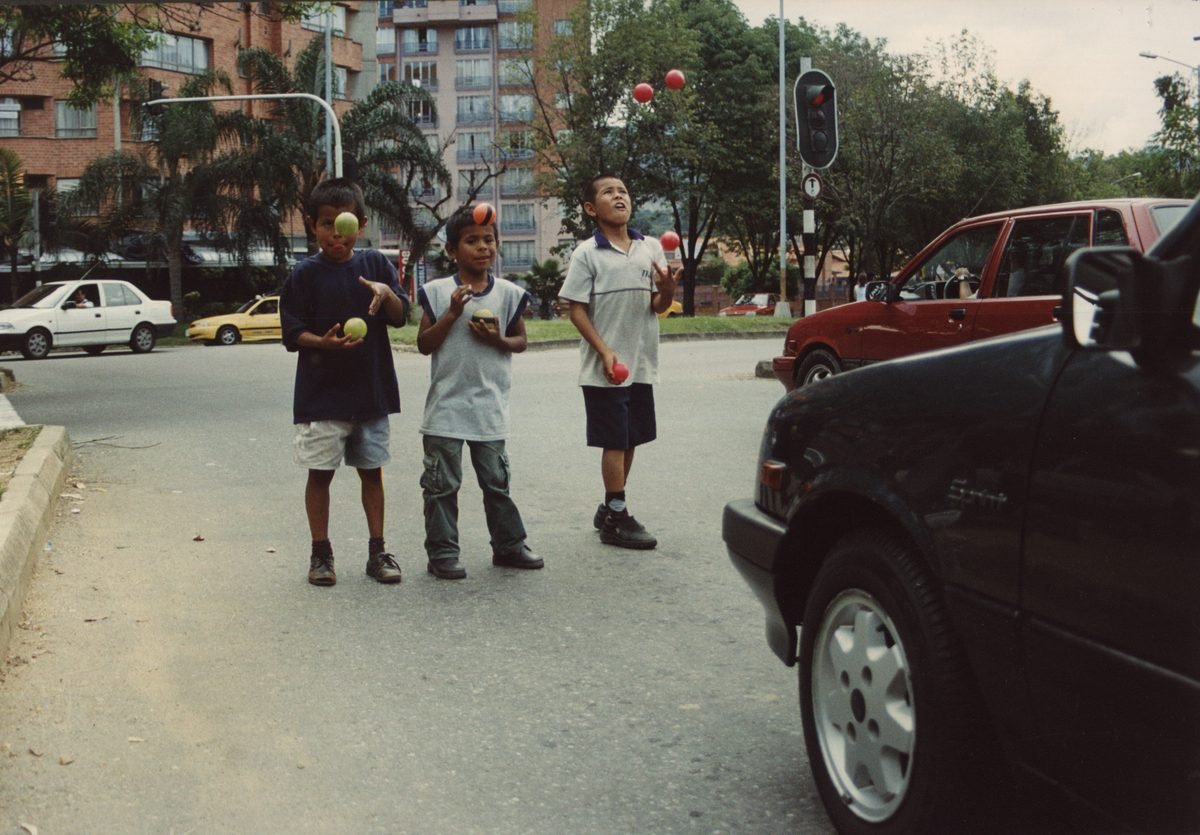 Diego and his brothers, jugglers · Medellín - Colombia
They juggle balls all day long to earn a few pesos. “Sometimes the oldest cars give us some coins, while the newer ones roll up their windows and don't give us anything”.
Toute la journée ils jonglent avec des balles pour quelques pièces. « Parfois les voitures les plus vieilles nous laissent des pièces, et les plus neuves ferment leurs vitres et ne donnent rien ».
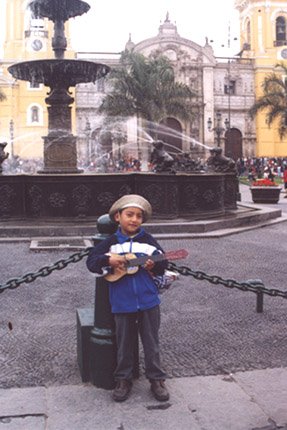 Benito, street musician · Lima - Peru
Every weekend he comes to the Plaza de Armas looking for tourists to play the guitar for, in exchange for a few coins.
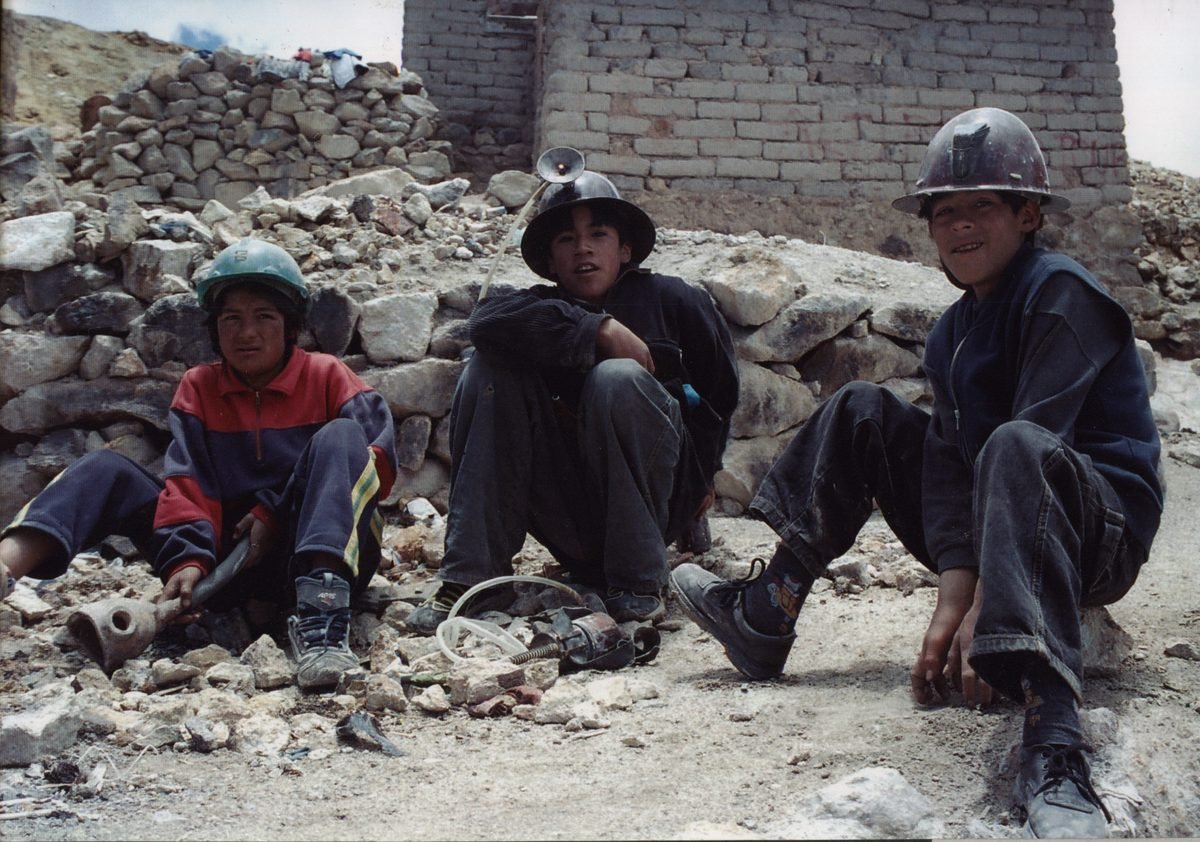 Edwin, Álvaro and Rafael, miners · Potosí - Bolivia
Every day they go deep into the Cerro Rico to earn two dollars. They spend eight hours in the darkness of the mine, accompanied only by their coca leaves.
Chaque jour ils entrent au cœur du Cerro Rico pour lui arracher deux dollars. Ils restent huit heures dans l'obscurité de la mine, accompagnés des feuilles de coca.
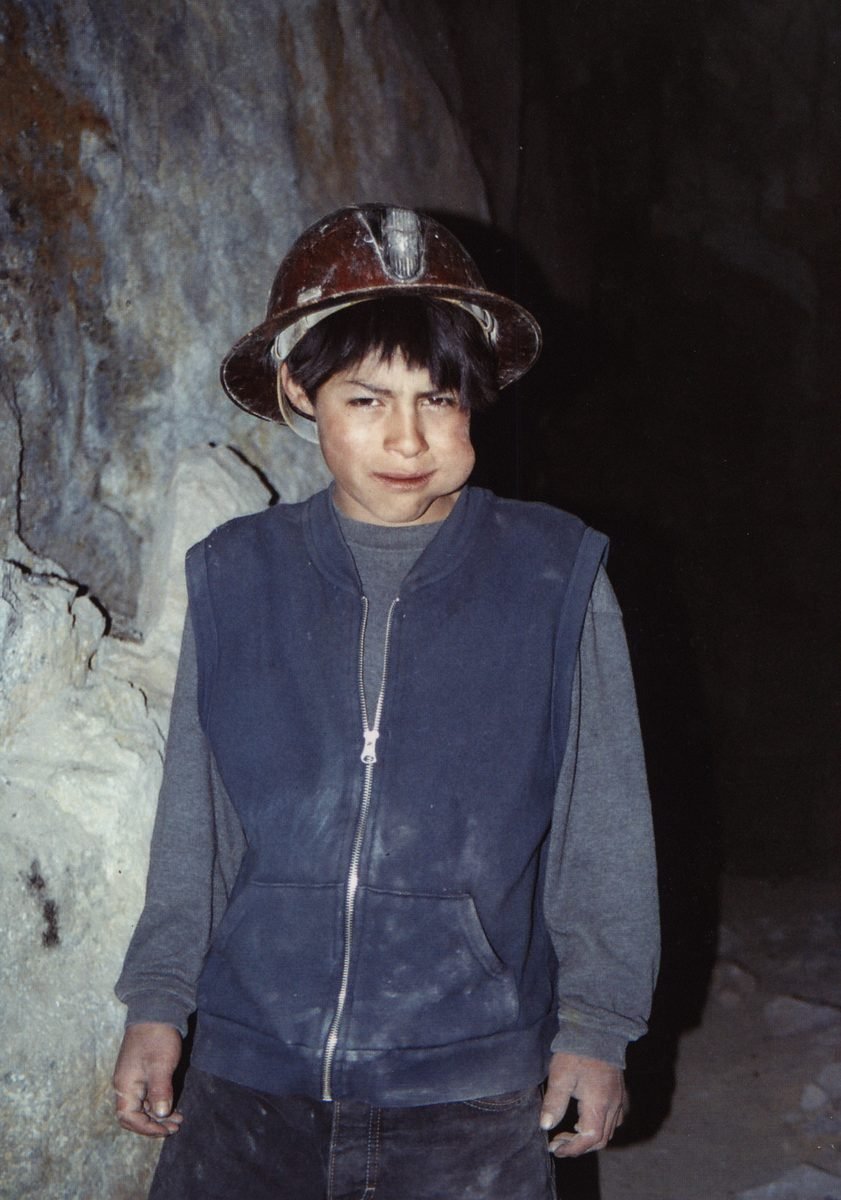 Edwin, miner · Potosí - Bolivia
While chewing coca leaves, he says his father suffers from asbestosis, an illness caused by breathing the dirty air of the mine. Edwin dreams of finding a silver vein that will take him out of poverty. The same dream his father had.
Tout en mâchant ses feuilles de coca, il nous raconte que son père est malade de l'asbestose, une maladie causée par l'air sale de la mine. Edwin rêve de trouver une veine d'argent qui le sorte de la pauvreté. Le même rêve qu'avait son père.
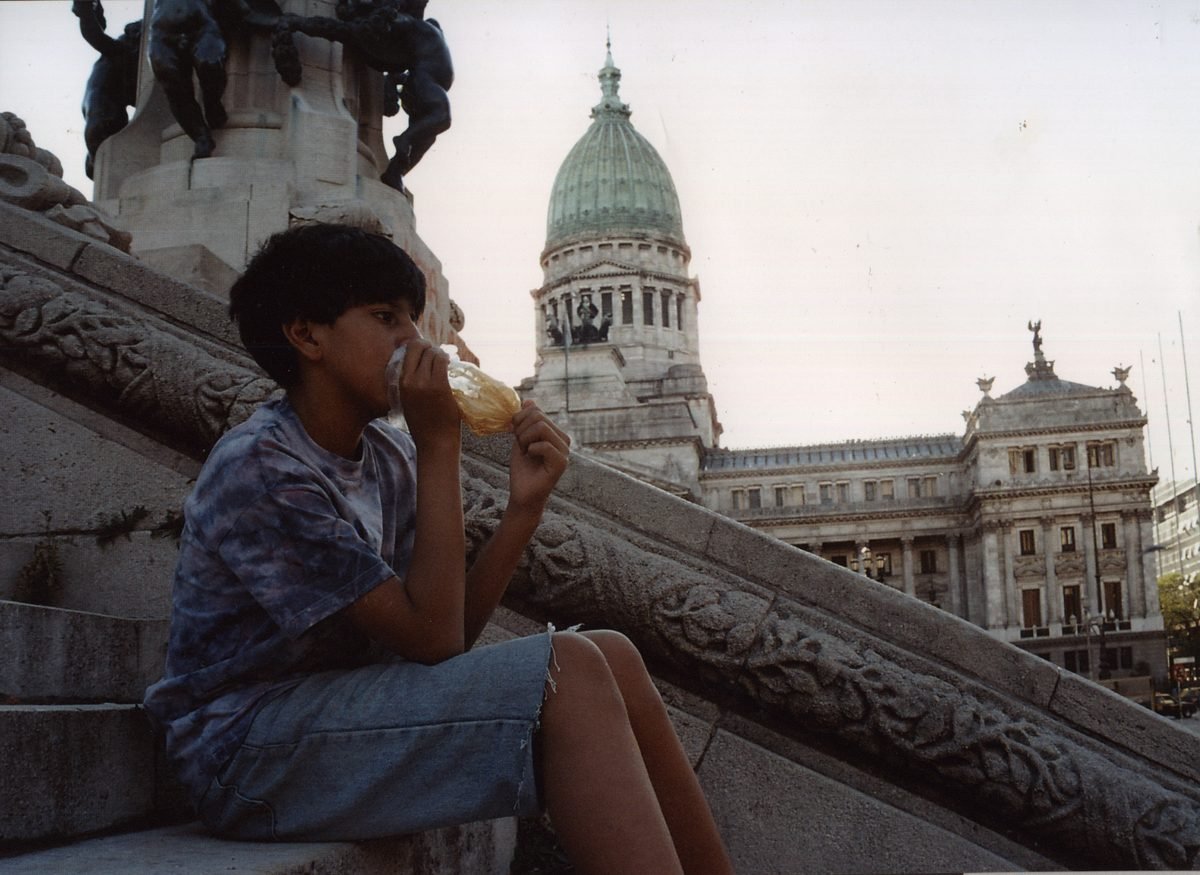 Ángel, street kid · Buenos Aires - Argentina
Ángel left home because of the bad economic situation. His younger brothers stayed at home. Now he fools his hunger with glue, right in front of the National Congress.
Ángel a quitté sa famille à cause de la situation économique. Ses petits frères sont restés à la maison. Maintenant, il trompe son estomac avec de la colle, en face du Congrès national.
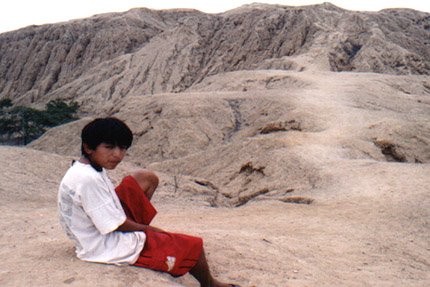 Richard, tour guide · Sipán - Peru
Sometimes he misses school to guide tourists around the ruins of Sipán in exchange for a tip. He learned the stories he tells at home.
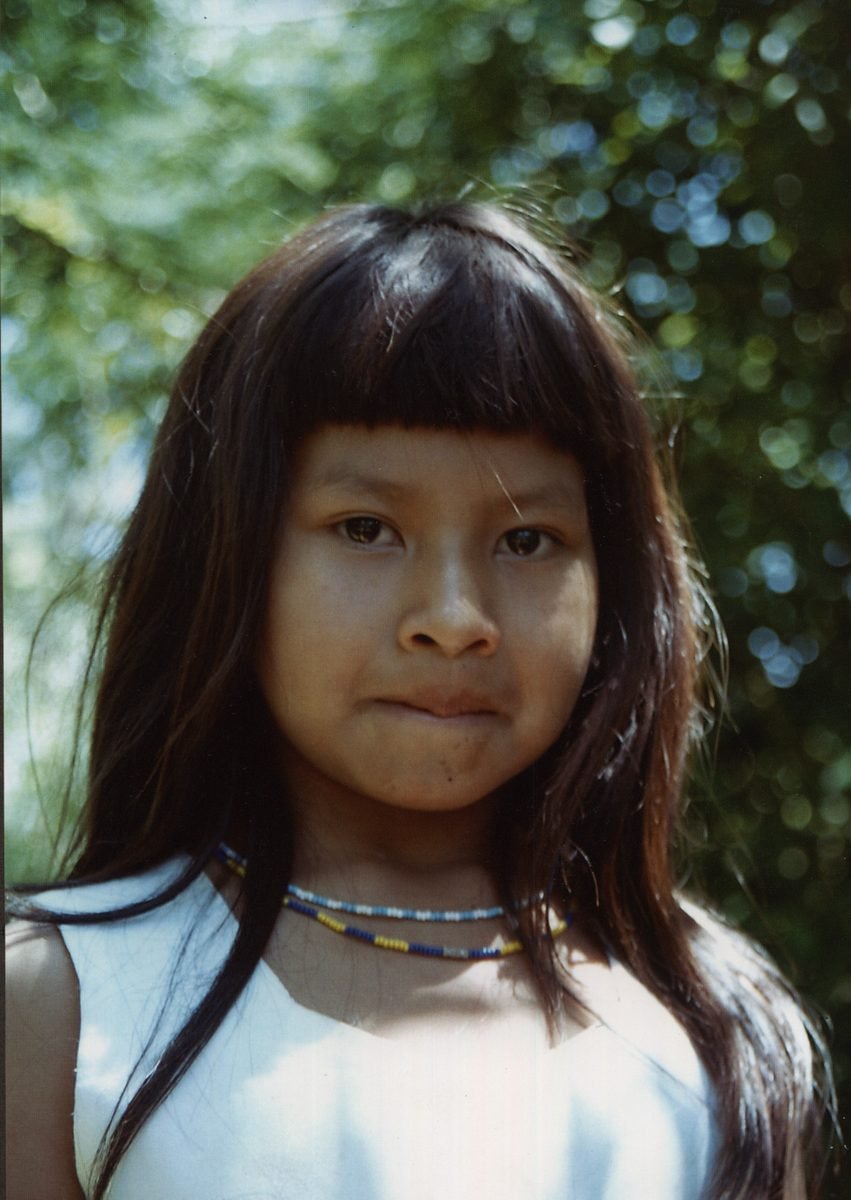 Gabriela, handicraft seller · Puerto Iguazú - Argentina
She lives in a Guaraní community near Iguazú Falls. Every morning she walks several kilometers to sell her handicrafts to the tourists. In the afternoons she helps with the chores at home. She says that when she grows up she would like to be a “tourist”.
Tous les matins elle marche plusieurs kilomètres pour vendre son artisanat aux touristes. L'après-midi elle aide sa mère au potager et ramasse du bois. Elle dit que quand elle sera grande, elle voudrait être « touriste ».
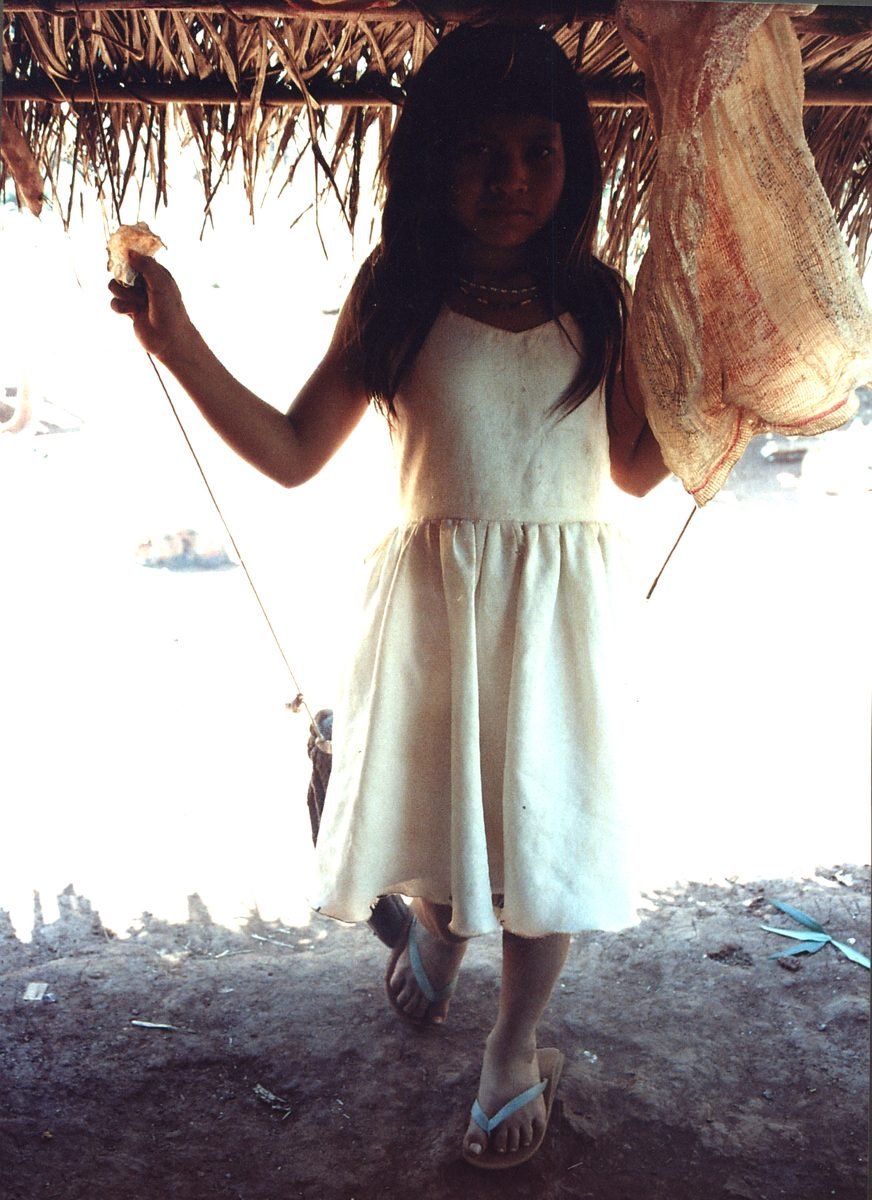 Handicraft seller · Puerto Iguazú - Argentina
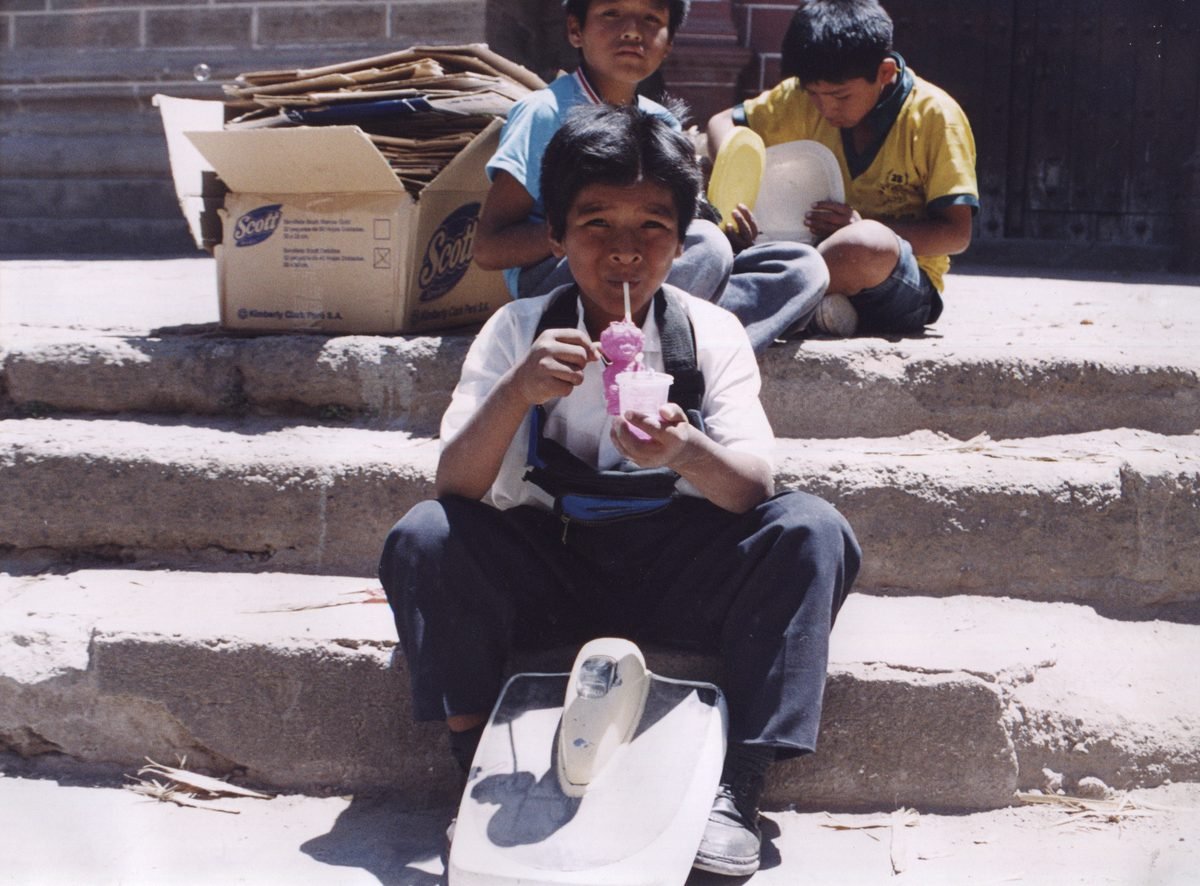 Luis, weighs people · Ayacucho - Peru
Luis charges 20 céntimos for each person who steps on his scale. The “fat ladies” sometimes pay double.
C'est son travail. « Les dames trop grosses » paient parfois le double.
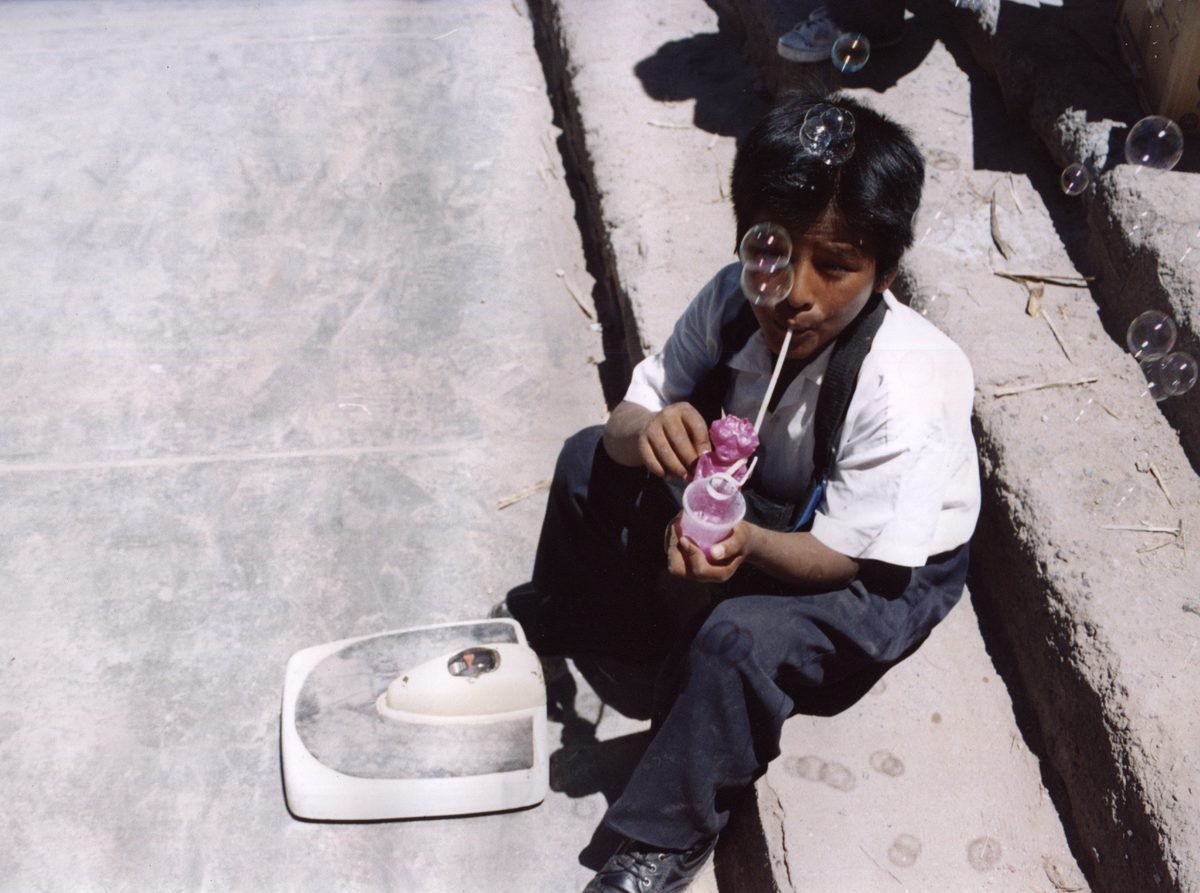 Luis, weighs people · Ayacucho - Peru
Once he went many days without work because his scale was stolen.
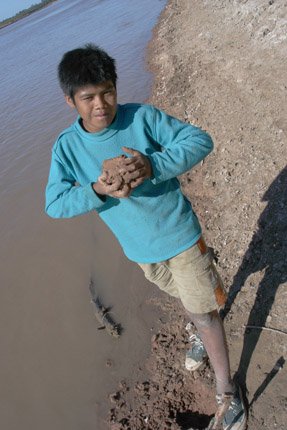 Eduardo, Wichí boy · El Sauzalito, Chaco - Argentina
Eduardo belongs to the Wichí community of El Sauzalito. He gathers mud from the Bermejo River to make ammunition for his slingshot, and asks with curiosity: “...are there stones in the cities?”.
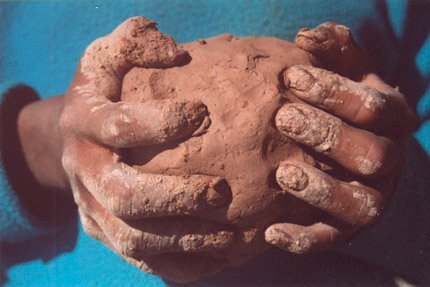 Eduardo, Wichí boy · El Sauzalito, Chaco - Argentina
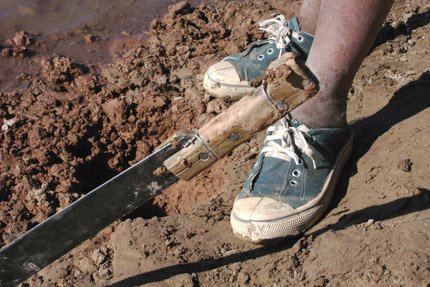 Eduardo, Wichí boy · El Sauzalito, Chaco - Argentina
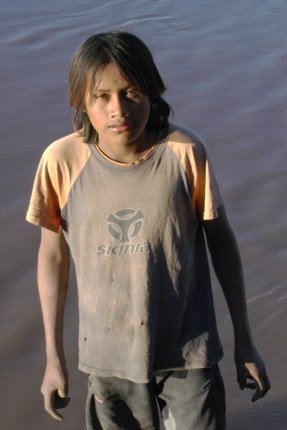 Facundo, Wichí boy · El Sauzalito, Chaco - Argentina
Facundo helps with the chores at home. He also attends the bilingual school, where teachers give him lessons in Wichí. In his free time he goes fishing or hunting birds. Many of his catches end up in the pot.
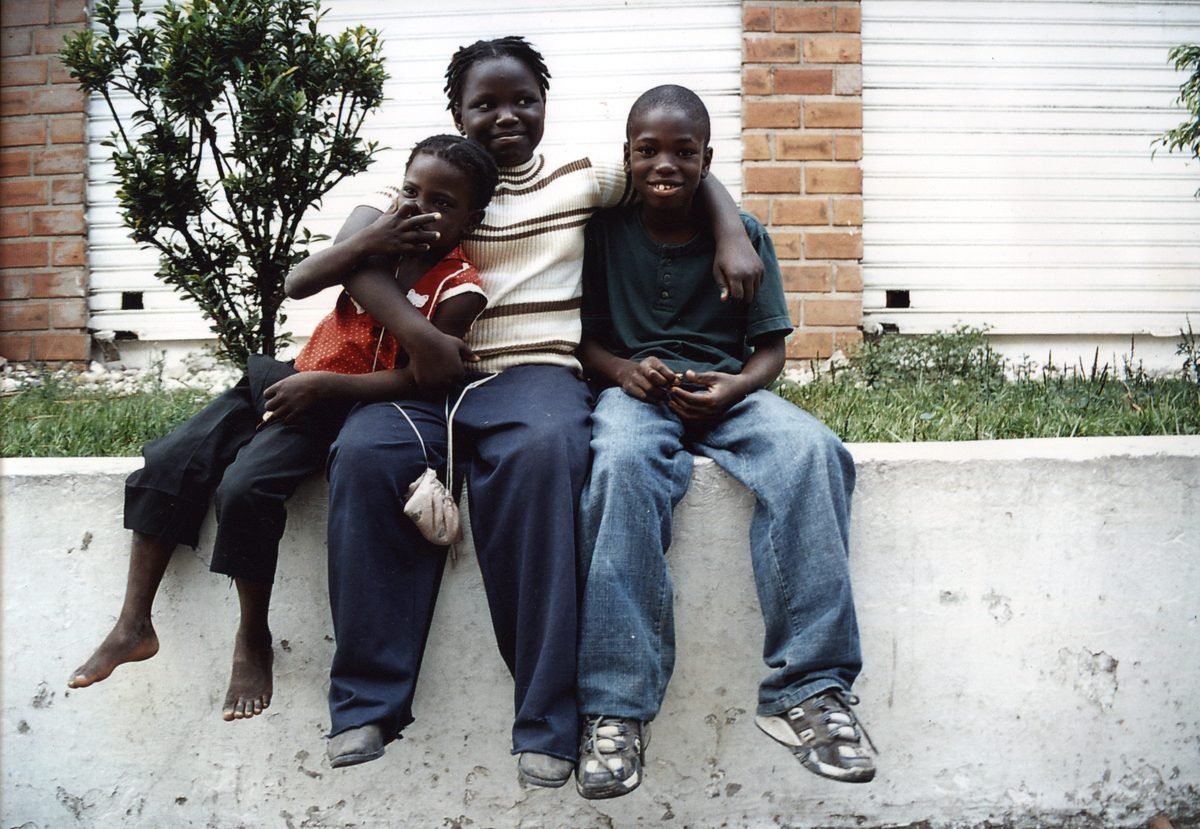 Andrés, Ñata and Chiqui, displaced by violence · Medellín - Colombia
They came to the city with their mother, running away from violence. But Andrés says that violence follows them. “In the neighborhood where we live there are more murders than in our hometown”.
Avec leur mère, ils sont arrivés à la ville en fuyant la violence. Mais Andrés dit que la violence les poursuit : « Dans le quartier où on habite il y a plus de morts que dans notre village ».
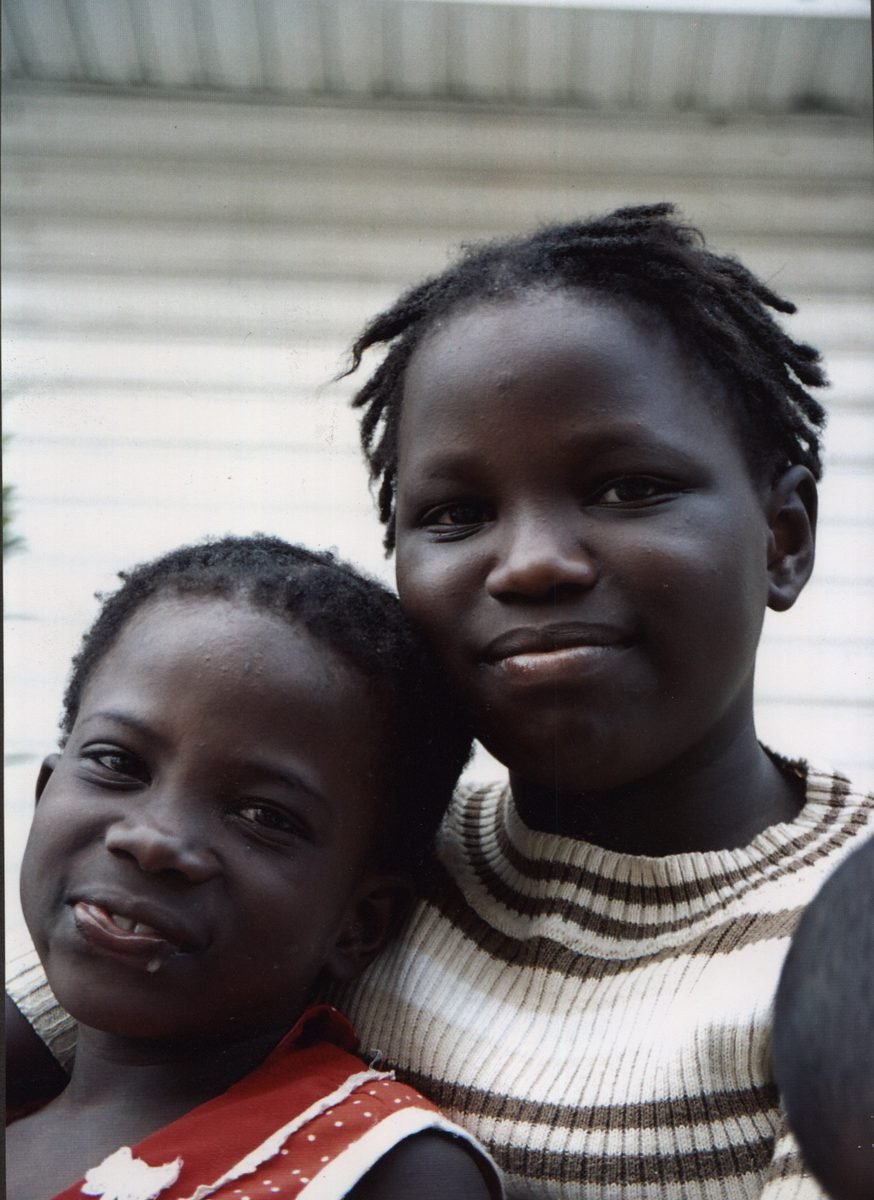 Ñata and Chiqui, displaced by violence · Medellín - Colombia
Ñata remembers that when they arrived in the city, some very well-dressed men promised to help her family. “These men must be very busy because they never came back”.
Ñata se souvient que quand ils sont arrivés à la ville, des messieurs très bien habillés ont promis d'aider sa famille : « les messieurs doivent être très occupés car ils ne sont jamais revenus ».
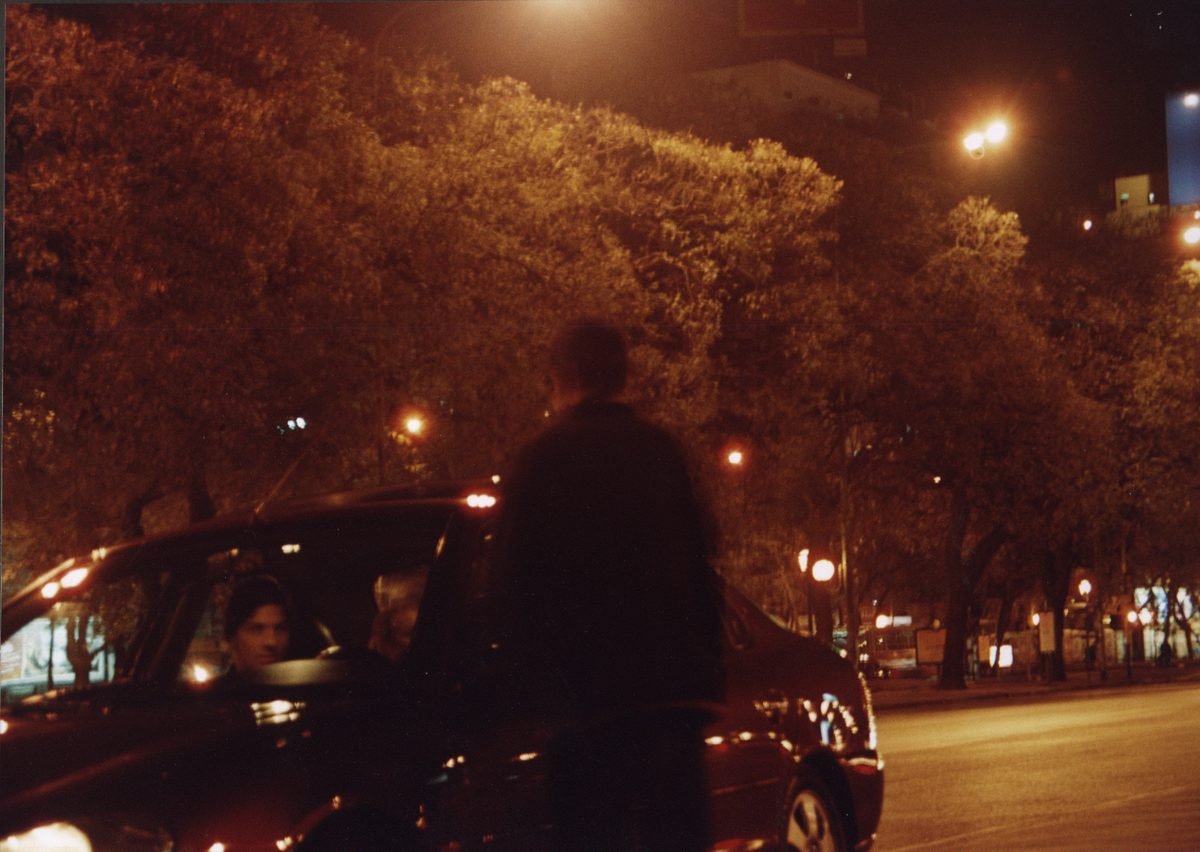 Sergio, asks for coins at traffic lights · Buenos Aires - Argentina
When the “older ones” leave the traffic lights free, Sergio arrives with his friends. The youngest always get the last shift, until three in the morning.
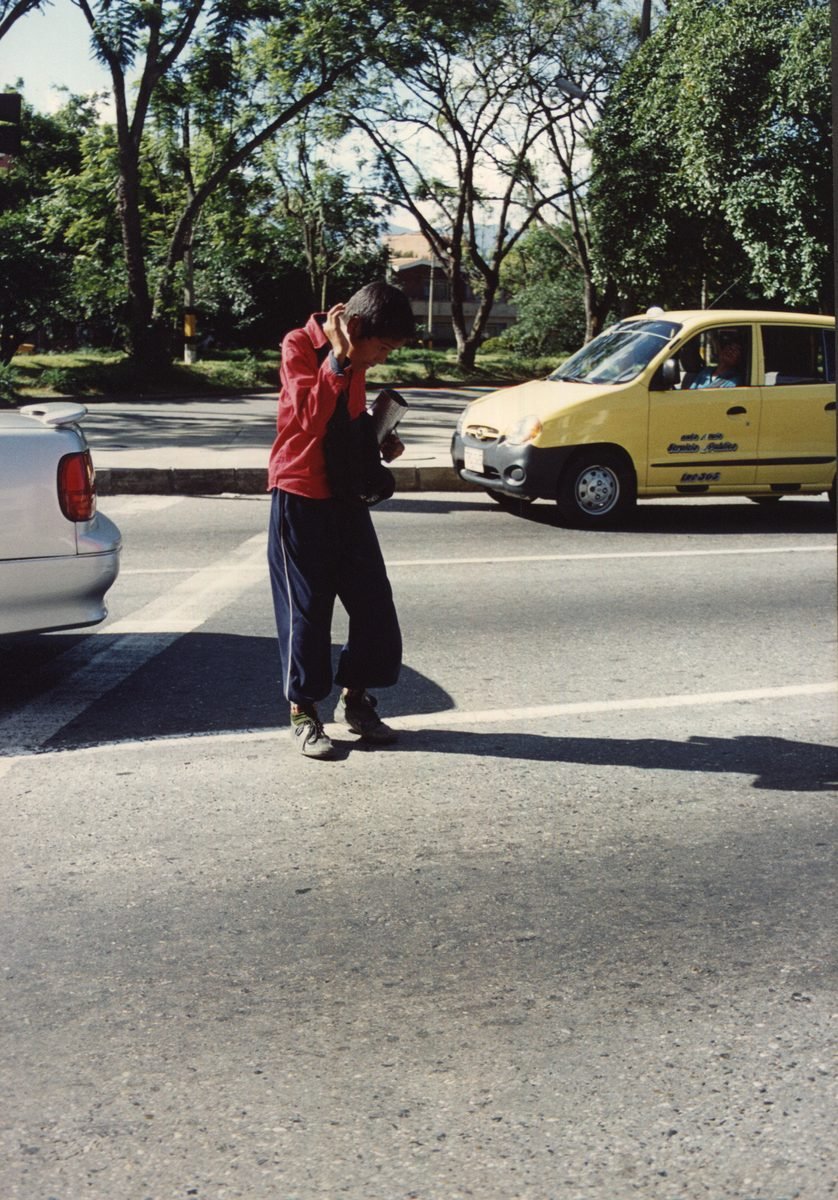 Jhohan, musician and dancer · Medellín - Colombia
He learned to dance by watching television and at family parties. At first he felt embarrassed, but now, accompanied by the raspa, he dances every weekend for a few coins.
Il a appris à danser en regardant la télé et pendant les fêtes de famille. Au début il avait honte, mais maintenant il danse chaque week-end pour quelques pièces.
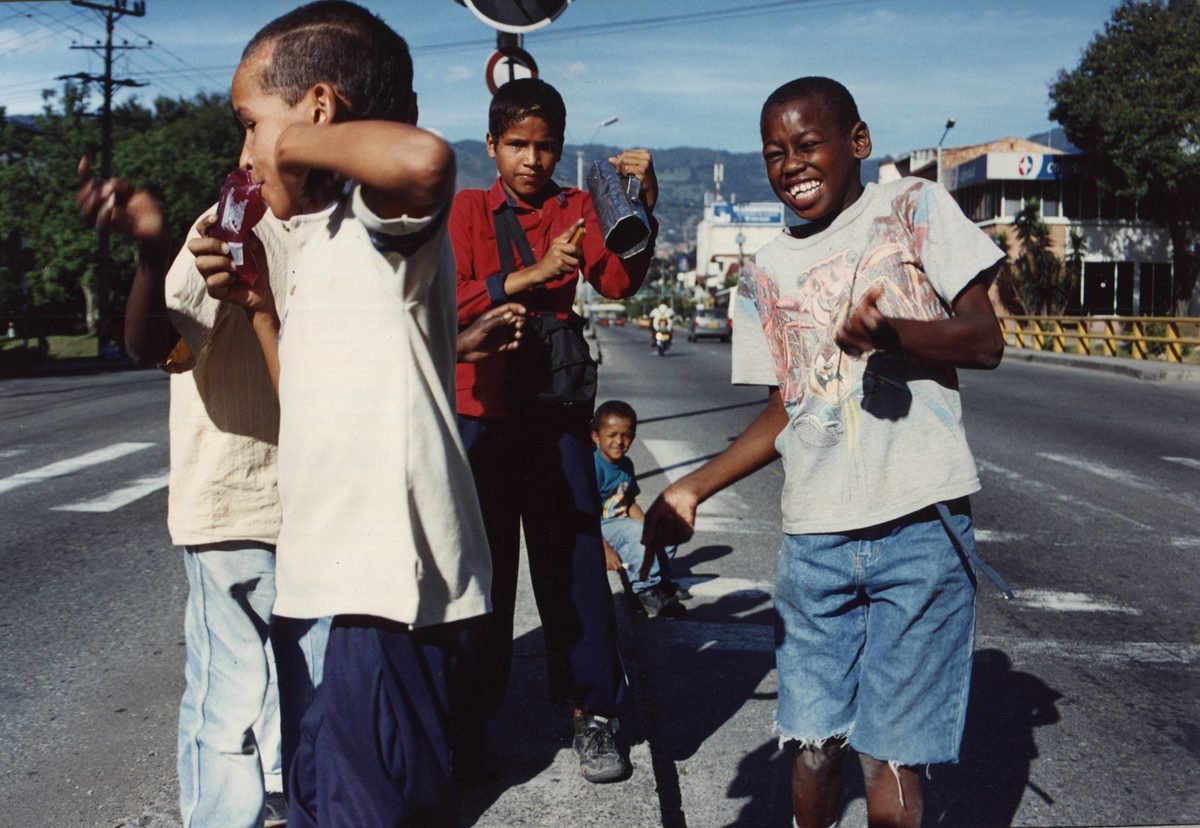 Jhohan and his friends, dancers · Medellín - Colombia
Every weekend they meet at the same traffic light. They must arrive early so that nobody else takes their spot. “There is more and more competition”.
Tous les week-ends ils se retrouvent au même feu rouge. Ils doivent arriver tôt pour garder leur place. « Il y a de plus en plus de concurrence ».
More about Stolen Toys
About the author. Pablo Valle was born in Buenos Aires in 1974. He has authored several documentary photography projects in Argentina and Latin America; his images seek to reflect the everyday life of places and people.